
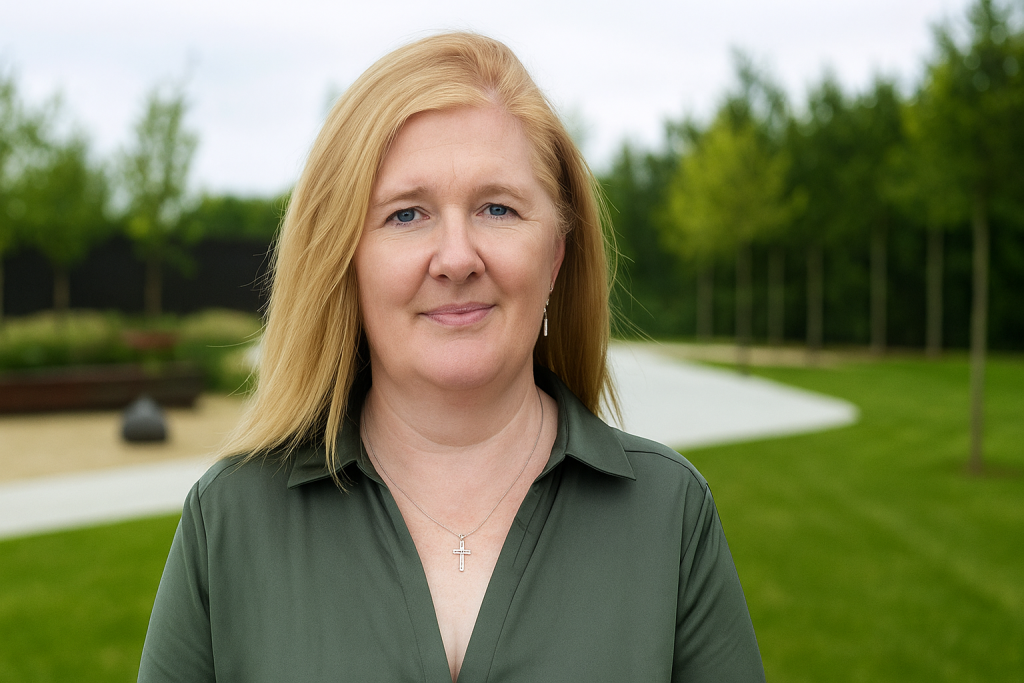
Tell us about your business – what do you do and who do you help?
I run TSK Academy, where I provide neuroinclusion training, consultancy, and therapeutic services. My work focuses on supporting organisations, schools, and communities to become more inclusive for neurodivergent people, including autistic and ADHD individuals. I also offer psychotherapy through Inclusive Mind Therapy Services. Whether I’m working with educators, employers, or families, my aim is always to create environments where everyone feels respected and valued.
What inspired you to start your business?
A combination of personal and professional experiences inspired me. As an ADHD person myself, and as a parent to autistic/ADHD/Dyslexic children, I’ve seen firsthand how often systems fall short of meeting neurodivergent needs. I wanted to change that. My background in social care, education, and mental health gave me the skills, but it was my passion for human rights, dignity, and meaningful inclusion that drove me to build a business with purpose at its heart.
What’s been your proudest moment in business so far?
It’s hard to pick just one, but being recognised as Social Entrepreneur of the Year and being called a “WorldChanger” meant a lot to me. It validated that you can build a business that centres on impact and inclusion. Also, seeing the ripple effect of my work – when an organisation starts to truly embrace neuroinclusivity or when a parent feels more confident supporting their child – that’s when I feel most proud.
What’s the biggest challenge you’ve faced, and how did you overcome it?
Balancing everything – growing the business, delivering high-quality training, providing therapy, and studying for my Master’s degree – has been a huge challenge. I’ve also had to navigate my own neurodivergent needs while running a busy practice. Overcoming it has meant being very honest about my capacity, asking for help, automating what I can, and fiercely protecting time for rest and recovery.
How do you stay motivated and focused during tough times?
I reconnect with my “why.” When things get hard, I remind myself of the people I’m helping and the change I want to see in the world. I also try to be gentle with myself – burnout doesn’t help anyone. Small routines, like taking time to walk in nature or having a clear end-of-day switch-off, keep me grounded.
What does a typical workday look like for you?
Every day is different, but usually I split my time between delivering training, meeting clients for therapy, and working on course development or consultancy projects. I often have a few hours set aside for study as well. Because I work across multiple areas, structure is essential – I use a digital planner to map out my week in advance.
What advice would you give to other self-employed women starting out?
Be clear on your values and let them guide your decisions. It’s easy to get pulled in different directions, but if you know what you stand for, you’ll build something authentic. Also, don’t wait until you feel “ready” – start before you’re completely confident, because clarity often comes from action. Finally, find your community. Running a business can feel lonely, and having peers who understand makes a huge difference.
What’s one tool, resource, or habit you swear by in your business?
Time-blocking has been essential for me. With so many projects on the go, having dedicated slots for training, therapy, admin, and self-care helps me stay focused and reduces overwhelm. I also love Canva for creating accessible, engaging materials that reflect my brand.
What’s next for you – any exciting plans or goals you’d like to share?
I’m planning to expand my training offerings internationally and to develop more accredited courses on neuroinclusion and trauma-informed practice. I’d also love to host another large-scale conference bringing together professionals, families, and self-advocates. And of course, I’m finishing my MSc, which will open even more opportunities to champion neuroaffirmative approaches.


